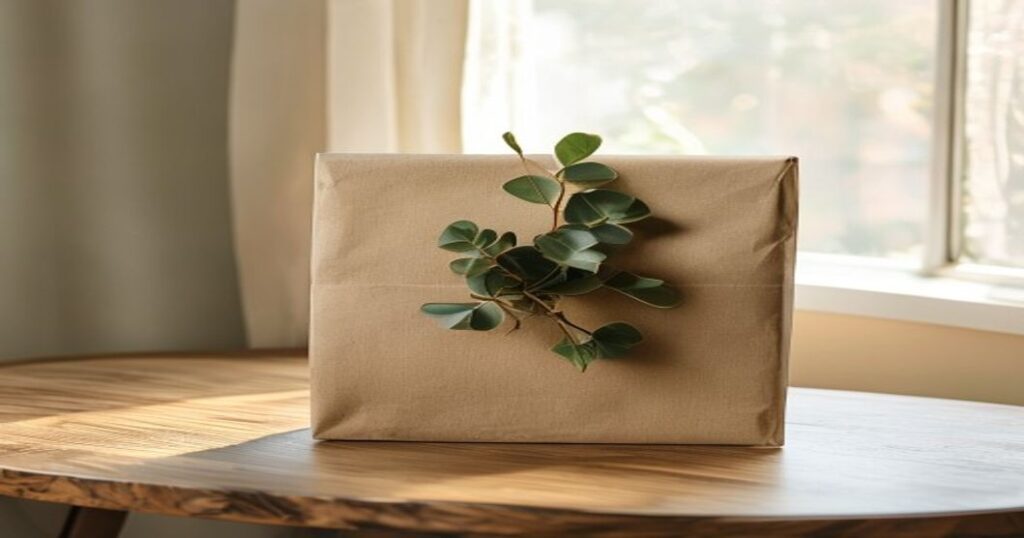
You probably know someone like this.
Their apartment has one throw pillow per sofa, exactly. They can tell you the provenance of each object in their kitchen. They donate things twice a year. If you handed them a mug with a joke printed on it, they would keep it exactly long enough to feel bad about throwing it out and then, three months later, it would quietly disappear.
I have three friends like this. Two of them are genuinely hard to shop for. The third is actually pretty easy, because the filter for “clutter-hater” isn’t as mysterious as it seems — it’s just a higher bar than most gift-giving occasions require.
This post is the field guide I wish I’d had years ago, based on what I’ve actually seen survive a clutter-hater’s culling process.
The Rule: Three Tests Before You Buy
A gift for someone who hates clutter has to pass three tests. If it fails any of them, it’s going to get quietly donated by May.
The consumable test. Does it get used up? Food, drink, oils, soaps, candles, bath products, flowers, firewood. All pass. A gift that disappears is a gift that doesn’t accumulate.
The singular test. Is it one thing, not a set? A clutter-hater’s nightmare is the “gift set” — four matching candles, six coordinated kitchen towels, a three-piece bathroom accessory collection. Each item would be fine on its own. Together, they’re a coordinated clutter event.
The passive-use test. Does the object require effort to enjoy? An album, a subscription box, a craft kit, a gadget that needs setup — these all create “homework.” A clutter-hater evaluates gifts partly on how much storage and mental cost they carry. Low cost wins.
Any gift that passes these three tests is already better than 80% of what most people give. Let’s look at the specific ideas.
Consumables (Gone in 2 Weeks, Remembered for a Year)
1. A bottle of really good olive oil
Single-origin, dark glass, harvest date on the label. $30–50 buys something markedly better than anything at a grocery store. Used daily, gone in six months, remembered every time they pour it.
2. A tin of genuinely excellent tea
From a specific tea merchant — Postcard Teas in London, Tay Cha in Taipei, Bellocq in Brooklyn. Single tin, $20–40. A small daily ritual for the winter.
3. Local raw honey
From an apiary within an hour’s drive of them. Call the beekeeper, pick a jar, write the name of the farm on the card. Hyper-local. Consumed within months. The card becomes a small travel guide to their own region.
4. Saffron from a trusted source
The real stuff — Iranian Sargol, Spanish Coupe, or Kashmiri Mongra — in a tiny jar with proof of origin. Tiny, expensive, lasts forever on an active cook’s shelf, elevates every dish it touches.
5. A sleeve of excellent chocolate
Not a big box. One or two bars from a specific maker — Dandelion, Dick Taylor, Raaka. Bar chocolate doesn’t linger. It gets eaten.
6. A hand-milled bar of soap from a real soapmaker
Binu Binu, Claus Porto, or a local maker. Paper-wrapped, natural oils. Sits in the shower, gets used up, doesn’t leave residue.
7. A bottle of natural wine you chose yourself
Not a subscription. One bottle, from a wine shop you trust, chosen with their taste in mind. Write a note with the pairing you’d recommend.
Experiences (No Object at All)
8. Dinner at a specific restaurant
Book it, pay the deposit, hand over the reservation in a card. This is better than any gift card — you’ve done the decisional work, and they just show up.
9. A membership to a museum, garden, or small cultural space
Annual. Around $60–150. A year of quiet Sunday mornings. Zero clutter. Pure mental good.
10. A one-day class at something they’d love
Pottery, bread, bookbinding, drawing, calligraphy. Most cities have studios running $80–200 single-day workshops. Let them pick the date. They leave with a skill, not an object.
11. Tickets to something small and specific
A chamber concert. A film at a repertory cinema. A poetry reading. Something that says I know what you’d actually enjoy, not I bought Hamilton tickets.
12. An afternoon together
Possibly the best gift on the list. Free. A walk, a long lunch, a day trip, a hike — written as a handwritten “coupon” on real paper, redeemable whenever. For someone who values time and space over stuff, this lands harder than any object could.
Useful Upgrades (Replacing Something They Already Own)
13. A better kitchen knife
One knife, not a set. A good Japanese chef’s knife — Misono, Tojiro, Masamoto — $80–150. Sharp, balanced, used daily for the next decade. The old knife gets donated. Net clutter change: zero. Net quality change: significant.
14. A better pillow
Down-alternative from Parachute or Brooklinen, $75 range. Replaces a thing they already have. Used every night for five years.
15. A better pen
If they write anything by hand — notes, cards, signatures — a Lamy 2000 or Kaweco Sport replaces whatever random pens are in their drawer. Quiet upgrade. No accumulation.
16. A better tote or small leather bag
Single, beautiful, well-made. Bennett Winch canvas tote, Il Bussetto small leather envelope, or a hand-stitched piece from a small Etsy maker. Replaces whatever they currently grab. $80–150.
The Single-Object Exceptions
This is the narrow category — objects that can earn their place in a clutter-free home. They work because they are specifically not part of a set, made of natural materials, used passively.
17. A hand-thrown ceramic piece
A single vessel from a specific working potter. A bowl, a vase, a lidded jar. Not a set. Used daily or weekly — for keys, for flowers, for fruit — and functionally beautiful enough that it earns its keep.
18. A moving sand picture
A small moving sand art frame passes the clutter test in a specific way: it sits on a shelf, requires no care, isn’t part of a set, doesn’t need batteries, and — crucially — gets watched. Clutter-haters are usually fine with objects that actively serve them. A sand picture serves by being the thing their eyes rest on in the middle of a long day. I’ve sent these to my most anti-clutter friends and every one of them kept it, prominently displayed.
The one I make is a deep-sea sandscape — blue, amber, and white grains that build slow mountain ranges. But any well-made moving sand picture will work if your recipient values quiet beauty over collection.
19. A single beautiful book
Not a stack. Not a set. One book — the specific book you know they will love. An art monograph, a cookbook from a cuisine they’re into, a biography of someone who matters to them. Written inside the cover with the date and one sentence about why you chose it.
A single book is small enough to belong on their shelf and meaningful enough to earn its seat.
What Not to Give
To make this actionable, here’s what I’d actively avoid.
Anything monogrammed. A clutter-hater can’t donate a monogrammed anything — they get locked into keeping it whether they like it or not.
Decorative sets of any kind. A set of four coasters, six hand towels, three ornament-y objects. No.
Novelty anything. Puns, jokes, “fun” kitchen gadgets shaped like animals. These are made for Instagram, not for keeping.
Clothing you picked. Too intimate, too personal. Unless it’s an upgrade to something specific they already own (a better pair of their favorite socks, a slightly nicer version of the hoodie they live in), clothing is usually a miss.
Decorative candles in glass jars with brand logos. The most-donated gift on Earth. Unless the candle is from a beeswax maker with real craft behind it, skip.
A gift they’d need to “find room for.” This is the master test. If you find yourself thinking they’ll have to make space for this, that’s a red flag. The right gift either doesn’t need space (consumable, experience) or slots into a space they already have (upgrading existing objects, or a singular anchor piece that immediately looks like it belongs).
Coffee table books they wouldn’t have picked. A coffee table book is a heavy, hard-to-donate object if it misses. Only give one if you’re genuinely sure they’ll love it — not “maybe” sure.
The Math of the Card
One thing that clutter-haters reliably do keep: handwritten cards.
A card in someone’s own handwriting, specific to the moment, is small enough to file, meaningful enough to save. Write the reason you chose what you chose. Write the story. Write what you hope for them.
I have a small box at home with maybe twenty cards in it, going back fifteen years. Most of the gifts that came with those cards are long gone. The cards are still there. The attention in them is what I kept.
For a clutter-hater, the card is often the gift. The object is just the vehicle.
Questions I Get Asked
Is it okay to give a plant? Yes, if you know they can keep one alive. A small, easy-care plant — snake plant, pothos, ZZ — in a plain terracotta pot. Skip orchids, fiddle leaf figs, ferns. Anything with a high death probability becomes emotional clutter even after it’s gone.
What about flowers? Good. Consumable. Gone in two weeks. Especially good if you choose ones they wouldn’t normally buy (seasonal, unusual varieties, a specific arrangement from a real florist, not a grocery bouquet).
Gift cards — yes or no? Mostly no. A gift card to a specific place you know they love, for a specific thing you know they’d want, is okay. A generic gift card telegraphs “I didn’t know what to get you.”
Is a subscription box a good idea? Rarely. Subscription boxes accumulate, require unsubscribing, and often send junk. A three-month specific subscription — coffee from one roaster, tea from one merchant, wine from one shop — is okay. The open-ended “mystery box” model is not.
Experience tickets as a gift — does the date need to be set? Yes, ideally. An open-ended experience voucher tends to expire unused. Book a specific date with them, or at minimum, narrow it down to a specific weekend.
What’s the single most-kept gift you’ve ever given a clutter-hater? A bottle of natural wine plus a handwritten note with the pairing. They drank it with a specific person on a specific night and they still talk about it. The wine was gone in three hours. The memory hasn’t faded.
The Deeper Pattern
If there’s a single lesson from buying gifts for people who hate clutter, it’s this:
Their bar is roughly the bar we should all be using. The rules — consumable, experiential, singular, useful — aren’t minimalist rules. They’re just the actual rules for what makes a gift succeed. The rest of us just tolerate more misses.
Get the gifts right for the clutter-hater in your life and you’ll notice that your broader gift-giving gets cleaner too. Fewer near-misses. More real hits. Less money spent on things that pass through homes and end up at Goodwill six months later.
Which is the other quiet benefit of learning to buy for clutter-haters: you end up giving better gifts to everyone.
About the writer: Vee Sharma founded Moving Sandscape after spending years living with moving sand pictures and wanting to make a particularly good one. The result was the deep-sea sandscape, which is the studio’s primary piece.